1.Sample Rates Definition: Sampling converts an analog signal into digital data. The sample rate is how many samples are captured per second. Two standard rates: 44.1 kHz — used for audio destined for CD. 48 kHz — required for film and television audio. Why 48 kHz for video: it was chosen to stay compatible with Read More …
Tag: Music
Portfolio :: Jack Missed His Flight
This was the first full piece I’ve scored since splitting my processing workload across two machines. Something felt slightly off in the timing when I reassembled the pieces. Might just be me, might not. Let me know if you see/hear it too. Aside from that, this one was a lot of fun. I’ve been digging Read More …

Music will be safe for now
This is not going to be a traditional book report. In that sense I will go over the book a little bit, and maybe why you should read it, but instead, and surprisingly, this book reaffirmed my belief that in the long run, human made music will still be around for thousands of years, and Read More …
Portfolio :: Cyberpunk Demo
Channeling Vangelis for a Blade Runner-Inspired Soundtrack Building my film score demo reel; one genre at a time. This one’s cyberpunk. When I first opened this project, it was labeled “Cyberhuman.” One word, and I was instantly in Blade Runner territory. That means only one thing: Vangelis. Lush analog synths, that slow cinematic wash of Read More …
Portfolio :: Western Wasteland
A foray into a wasteland of sound and space, somewhere between Ludwig Göransson and Ennio Morricone. Göransson has scored many of Ryan Coogler’s films, Tenet and Odyssey for Christopher Nolan, and all the Mandalorian we’ve seen on TV and the big screen. Morricone needs less introduction — most Americans know him from the spaghetti westerns, especially Read More …
Video Monday :: How to Collect International Royalties
SoundExchange is the largest global neighboring rights organization, with agreements covering 87% of the neighboring rights market outside the US. These agreements allow us to collect and pay artist/rights owner royalties when their music is played in countries around the world. To take advantage of this service, you must be a SoundExchange member and complete Read More …
The Instrumentalist vs. The Musician Mindset
The trap References are meant to guide, not dictate Easy to slip from “informed by reference” to “forcing mix to match reference” Two mindsets Instrumentalist: only hears own part, copies reference note for note, ignores that arrangement/tracking/instrumentation differ, boosts highs just because reference curve is bright, ends up harsh/brittle Musician: hears whole piece, knows where Read More …

I Paid My Neighbor in a Zucchini
This post is about a zucchini, a broken microphone, and why I think the outrage cycle is the most effective inertia machine ever built. Today in Chicago it was Kanye and the ADL. Next week it’ll be someone else. I’m not interested in relitigating who’s right, I’m interested in what all this click-bait, rage-bait do Read More …

Backyard Chickens – Music without a Film
The Velocity of the Unheard The studio was a hum of cooling fans and the rhythmic, frantic clicking of a mechanical keyboard. Our intrepid composer didn’t just write music; he chased it. To him, melodies weren’t carefully constructed architectures—they were lightning strikes, and he was the only conductor in the city fast enough to catch Read More …
Scoring a Film With Two Old Computers
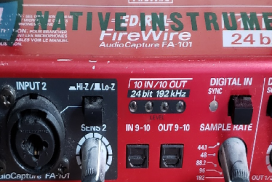
You don’t need a powerful machine to score a film. You need your computers to agree on what time it is, and to not fight over the same resources while they do it. This guide is for composers working with older hardware and no budget. The idea is simple: your desktop makes the music, a Read More …