Core idea Loudness, brightness, and transients are three descriptions of the same moment, not separate levers Sharp transients need high frequency content, lows are too slow to build a fast edge 50Hz wave takes 20ms per cycle, a snare snap happens in 2 to 3ms Low end still carries impact (chest feel), but the “snap” Read More …
Tag: bedroom studio tips
Book Notes :: Music Production for Film & TV
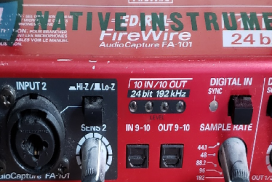
1.Sample Rates Definition: Sampling converts an analog signal into digital data. The sample rate is how many samples are captured per second. Two standard rates: 44.1 kHz — used for audio destined for CD. 48 kHz — required for film and television audio. Why 48 kHz for video: it was chosen to stay compatible with Read More …
Video Monday :: Mastering Free Courses
Master.com Free Courses You do have to create an account to access these videos.
The Instrumentalist vs. The Musician Mindset
The trap References are meant to guide, not dictate Easy to slip from “informed by reference” to “forcing mix to match reference” Two mindsets Instrumentalist: only hears own part, copies reference note for note, ignores that arrangement/tracking/instrumentation differ, boosts highs just because reference curve is bright, ends up harsh/brittle Musician: hears whole piece, knows where Read More …
Scoring a Film With Two Old Computers
You don’t need a powerful machine to score a film. You need your computers to agree on what time it is, and to not fight over the same resources while they do it. This guide is for composers working with older hardware and no budget. The idea is simple: your desktop makes the music, a Read More …

Adding Air and Punch
As a home studio enthusiast, you know that achieving a polished sound often requires a bit of extra magic, especially when it comes to pop vocals. One effective technique to make your vocals stand out is to add some “air” to them, giving them a breathy quality that jumps out of the mix. Here’s how Read More …
Achieving Punchy Drums in Your Home Studio
As a home studio enthusiast, you may find that getting your drums to sound punchy involves more than just slapping on some compression. The key lies in how you prepare and set up your compressors, which can significantly impact the final sound. Start by listening to your drum tracks without any processing. You might notice Read More …
Taming Snare Leakage in Overhead Tracks for a Tighter Sound
As an amateur home studio enthusiast, you may have encountered a common issue: your overhead tracks sound great, but there’s just too much snare bleed. This leakage can muddy your mix, making it difficult to achieve the clarity you desire. Fortunately, there’s a technique you can use to gain better control over this leakage and Read More …
Perfecting Snare Delay Timing for a Cohesive Mix
To achieve a polished mix, it’s essential to time your free delay to the BPM of your song. This ensures that the delay complements the snare without clouding the overall sound. Avoid processing the snare drums separately from the other instruments, as this can disrupt the cohesion of your mix. To get the timing just Read More …
Unleashing Snare Definition
As a home studio enthusiast, I’ve discovered that achieving the perfect snare sound can sometimes come from unexpected methods. Today, I want to share a unique approach to using a compressor that can help you get the snare definition you’re looking for. First, I start by playing the song and focusing on the snare. To Read More …